
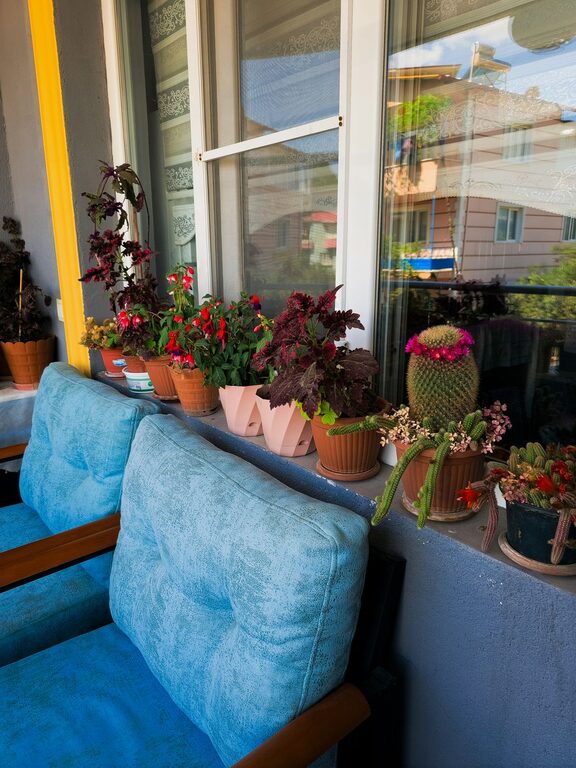
A small balcony can become one of the most enjoyable areas of your home. With a few thoughtful choices, you can create a comfortable spot for morning coffee, reading, relaxing, or enjoying fresh air at the end of the day. The key is to use the available space carefully while adding warmth, comfort, and personality.
You do not need a large budget or a major renovation. Simple updates such as folding furniture, outdoor textiles, plants, and soft lighting can make a noticeable difference. Here are practical ways to make a small balcony feel cozy and inviting.
Start With a Clear Plan
Before buying anything, consider how you want to use the balcony. A space designed for quiet reading may need a comfortable chair, while a balcony used for meals may work better with a compact table and two folding seats.
Think about these questions:
– How many people will use the balcony?
– Do you want a place to eat, relax, or garden?
– How much sunlight and wind does the space receive?
– Do you need to store furniture during bad weather?
– Are there building rules about plants, screens, or outdoor decor?
Measure the balcony before shopping. Note the width of doors, the location of railings, and any areas that need to remain clear. A simple sketch can help you choose furniture that fits without making the space feel crowded.
Choose Furniture That Fits the Space
Furniture has a major effect on how open or cramped a balcony feels. Select pieces that match the scale of the area rather than trying to fit full-size indoor furniture outdoors.
Good options include:
– Folding chairs and tables
– Slim benches
– Small bistro sets
– Stackable stools
– Compact lounge chairs
– Storage benches
Furniture with more than one purpose is especially useful. A bench with hidden storage can provide seating while holding cushions, gardening tools, or outdoor accessories. A small stool can work as a seat, side table, or plant stand.
Look for furniture with open or slim frames. Pieces with narrow legs and simple lines allow more of the floor to remain visible, which can make the balcony appear larger. Avoid filling every corner. Leaving some open space creates a more relaxed and balanced look.
Add Comfort With Outdoor Textiles
Soft textiles can quickly transform a plain balcony into a cozy retreat. Add cushions to chairs or benches, and choose fabrics made for outdoor use when possible. Outdoor materials are generally more resistant to sunlight and moisture than regular indoor fabrics.
Consider adding:
– Seat cushions
– Throw pillows
– A lightweight outdoor blanket
– An outdoor rug
– A small floor mat
An outdoor rug can define the seating area and make the balcony feel like an extension of your home. Choose a low-pile or flat-weave design that is easy to clean and suitable for the amount of weather exposure your balcony receives.
Use two or three coordinating colors instead of many unrelated patterns. Neutral shades can create a calm atmosphere, while muted greens, blues, terracotta, or warm yellow can add character without overwhelming the space.
Use Lighting to Create Warmth
The right lighting can make a small balcony feel welcoming after sunset. Bright overhead lights may be useful for practical tasks, but softer light is usually better for relaxing.
Try these options:
– Battery-powered lanterns
– String lights
– Solar lights
– Small table lamps designed for outdoor use
– LED candles
– Wall-mounted lights, where permitted
String lights can be attached along a railing or placed around a nearby frame. Lanterns work well on a table or the floor, while small solar lights can add a gentle glow without needing an outlet.
Choose warm white bulbs rather than cool white bulbs. Warm lighting creates a comfortable atmosphere and pairs well with natural materials, plants, and wood furniture. Keep cords tidy and make sure any electrical products are rated for outdoor use.
Bring in Plants and Natural Materials
Plants add color, texture, and a sense of privacy. Even a narrow balcony can hold a few well-chosen plants if you use vertical and railing space.
Useful choices include:
– Hanging planters
– Railing planters
– Tall, narrow pots
– Wall-mounted plant holders
– Small herb containers
– A compact plant stand
Choose plants based on the balcony’s light conditions. Sun-loving plants need several hours of direct light, while shade-tolerant varieties are better for darker balconies. Consider the amount of care each plant requires, especially if you travel often.
Natural materials can make the area feel warmer as well. Add bamboo, wood, woven fiber, or rattan details through planters, trays, baskets, or furniture. These textures help soften hard surfaces such as concrete, glass, and metal.
Create Privacy Without Blocking the Space
A balcony may feel less comfortable if it is fully exposed to nearby buildings or busy areas. A little privacy can make the space feel more personal and restful.
Depending on your building rules, you might use:
– Tall potted plants
– A lightweight outdoor screen
– A bamboo-style privacy panel
– A fabric balcony curtain
– A trellis with climbing plants
Avoid blocking all natural light or making the balcony feel closed in. Partial coverage is often enough to create a sense of separation. A tall plant in one corner, for example, can provide privacy while adding greenery.
Make sure privacy screens and tall planters are secure, especially on balconies exposed to strong wind. Check local or building guidelines before attaching anything to railings or walls.
Make Use of Vertical Space
When floor space is limited, look upward. Vertical storage and decor can help you add useful features without taking up valuable walking space.
You could install or add:
– A narrow shelving unit
– Wall hooks for lanterns or tools
– A vertical planter
– Hanging baskets
– A folding wall table
– A pegboard for small accessories
Keep heavier items low and secure anything placed above seating areas. If you rent, choose removable hooks or freestanding pieces instead of making permanent changes.
Vertical design also gives the balcony more visual interest. A mix of plants at different heights can make the area feel layered and lively without requiring a large footprint.
Use a Simple Color and Decor Scheme
A small balcony usually looks best when the decor feels coordinated. Start with one main color, one accent color, and a few natural tones. For example, you might combine cream cushions, green plants, and wood accents.
Add a few personal details, such as:
– A small outdoor-safe piece of art
– A patterned cushion
– A ceramic planter
– A decorative tray
– A weather-resistant sculpture
Avoid using too many small decorations. Clutter can make a compact balcony feel busy and difficult to use. Choose items that are both attractive and practical whenever possible.
Keep the Balcony Easy to Maintain
A cozy balcony should also be easy to clean and organize. Choose washable cushion covers, wipeable furniture, and planters with proper drainage. Use a small storage box or basket for items that need to be moved indoors.
Create a simple maintenance routine:
- Sweep the floor regularly.
- Wipe down furniture and railings.
- Remove dry leaves and damaged plant growth.
- Wash textiles according to their care instructions.
- Store delicate items during severe weather.
A clean, organized balcony feels more inviting and gives you more room to enjoy it.
Finish With One Comfortable Habit
The final step is to make the balcony part of your daily routine. Keep a book nearby, place a small tray on the table for coffee, or create a dedicated spot for evening relaxation. These small habits help the balcony feel like a real room rather than unused outdoor space.
Focus on comfort, not perfection. A small balcony does not need expensive furniture or elaborate decor. With the right proportions, soft lighting, useful storage, and a few natural touches, it can become a cozy extension of your home.