
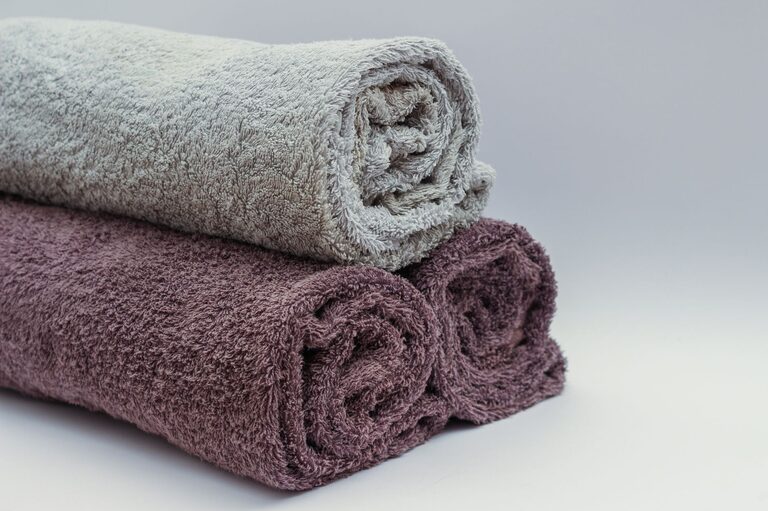
Towels make everyday routines more comfortable, but they can quickly become rough, damp, or musty without the right care. Frequent washing, too much detergent, hard water, and poor drying habits can all affect how towels feel and smell.
The good news is that keeping towels fresh and fluffy does not require complicated products or a special routine. A few simple changes to washing, drying, and storage can help your towels stay soft, absorbent, and pleasant to use.
Wash towels separately when possible
Towels produce lint, especially when they are new. Washing them separately from clothing can help prevent lint from collecting on other fabrics. It also allows you to choose a wash setting that suits heavier, more absorbent materials.
Washing towels together can also reduce friction between towels and delicate clothing. If you do mix loads, avoid washing towels with items that have zippers, hooks, or rough textures, as these can pull on the towel loops.
Avoid overloading the washer
Towels need room to move through the water. An overloaded washer may not rinse them thoroughly, leaving behind detergent, body oils, or other residue. This can make towels feel stiff and reduce their ability to absorb water.
Fill the drum loosely rather than packing it tightly. If the towels are pressed firmly against the sides of the drum, divide the load into two smaller washes.
Use the right amount of detergent
More detergent does not necessarily mean cleaner towels. In fact, excess detergent can build up in the fibers, making towels feel coated, stiff, or less absorbent.
Follow the instructions on your detergent container and adjust the amount based on the size of the load and the soil level. If your towels are only lightly used, you may need less detergent than the maximum recommended amount.
If towels regularly feel waxy or rough, run an extra rinse cycle. This can help remove leftover detergent and fabric softener from the fibers.
Skip or limit fabric softener
Fabric softener can make some fabrics feel smooth, but it may leave a coating on towel fibers. Over time, this coating can reduce absorbency and make towels feel less fresh.
For soft towels that still absorb well, rely on thorough rinsing and proper drying instead. If you choose to use fabric softener occasionally, use a small amount and avoid adding it to every wash.
Be careful with dryer sheets
Dryer sheets can have a similar effect by leaving a light coating on fabric. They may also reduce the natural absorbency of towels. Consider skipping them or using them only occasionally.
Choose a suitable water temperature
Warm or hot water can help remove body oils and product residue from towels, but the best temperature depends on the care label and the fabric. Always check the instructions before choosing a wash cycle.
For everyday towel loads:
– Use warm water when the care label allows it.
– Choose hot water only when appropriate for the fabric and level of cleaning needed.
– Use cold water for towels that may shrink or fade.
– Avoid extreme temperatures for decorative trims or delicate materials.
A regular wash with the correct amount of detergent is usually more helpful than using the hottest possible setting.
Do not leave wet towels in the washer
One of the fastest ways to create a musty smell is to leave wet towels sitting in the washing machine. Damp, enclosed spaces allow odors to develop quickly.
Move towels to the dryer or clothesline as soon as the wash cycle ends. If you forget them for several hours and they smell musty, wash them again before drying. Drying a towel that already smells unpleasant may make the odor harder to remove.
Dry towels thoroughly
Proper drying is one of the most important steps in keeping towels fresh. Towels should be completely dry before folding and storing them.
Use the dryer wisely
A medium heat setting is often a good choice, but check the care label first. Very high heat may weaken fibers over time or cause shrinkage.
Avoid overfilling the dryer. Towels need room to tumble so warm air can reach all areas. Shake each towel before placing it in the dryer to separate the fibers and reduce clumping.
Remove towels promptly when the cycle ends. Leaving them bunched up in the dryer can encourage wrinkles and trapped moisture.
Air-dry with good airflow
Air-drying can help preserve towel fibers and save energy. Hang towels on a wide rail or clothesline rather than folding them over a narrow hook. Spread them out as much as possible so air can reach both sides.
If drying towels indoors, use a well-ventilated room. A fan or open window can improve airflow. Make sure towels are fully dry before bringing them inside or placing them in a linen closet.
Add occasional deep-cleaning steps
If towels become dull, stiff, or musty despite regular washing, an occasional deeper clean may help.
Run a wash cycle with the recommended amount of detergent and an extra rinse. Some households also use a small amount of white vinegar in the rinse compartment instead of fabric softener. However, do not mix vinegar with bleach or other cleaning products, and always follow the washing machine and towel care instructions.
Avoid relying on deep-cleaning treatments too often. Consistent everyday habits, such as using less detergent and drying towels quickly, usually make the biggest difference.
Give towels space between uses
Even clean towels can develop an odor if they remain damp after use. Hang each towel fully open after bathing or washing your hands. Avoid leaving it in a heap on the floor, over a hamper, or on a crowded hook.
A towel should dry completely between uses. In a busy bathroom, use wide bars or separate hooks so towels do not overlap. If a towel stays damp for a long time, wash it more frequently or improve ventilation in the room.
Store towels correctly
Only fold and store towels when they are completely dry. Storing even slightly damp towels can lead to a stale smell and may affect nearby linens.
Keep towels in a dry, well-ventilated cabinet or closet. Avoid pressing them tightly into a crowded shelf, as limited airflow can trap moisture. A simple fold or loose roll works well, depending on your storage space.
Keep clean towels separate from used laundry. This helps prevent odors from spreading and makes it easier to keep the linen closet organized.
Replace towels when needed
Even with good care, towels eventually wear out. Thin patches, loose loops, persistent odors, or reduced absorbency may indicate that a towel has reached the end of its useful life.
To extend the life of your collection, rotate several sets instead of using the same towels every day. This gives each set time to be washed, dried, and stored properly.
A simple towel-care routine
For consistently fresh and fluffy towels:
- Wash towels in a loosely filled load.
- Use the correct amount of detergent.
- Limit fabric softener and dryer sheets.
- Remove towels from the washer promptly.
- Dry them completely with good airflow.
- Hang towels open between uses.
- Store only fully dry towels.
- Run an extra rinse when residue builds up.
With these straightforward habits, towels can remain soft, fresh, and absorbent for much longer. The key is to prevent buildup and moisture before they become problems.