
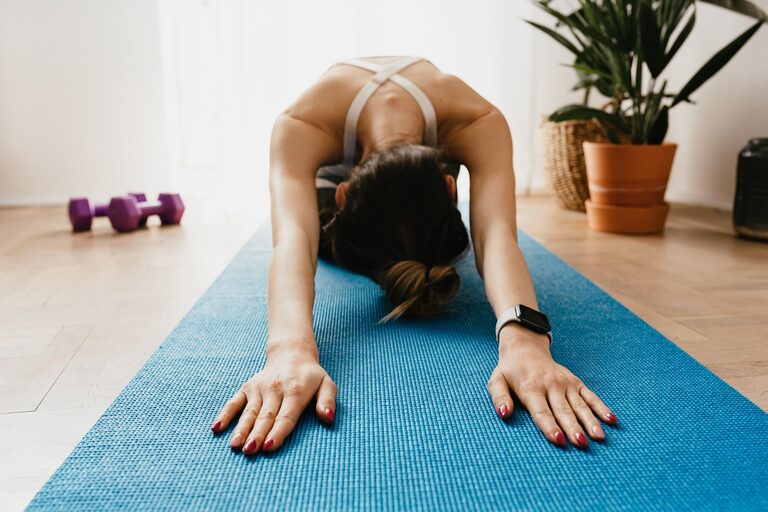
Stretching is a simple way to add movement to your day. It requires little space, no expensive equipment, and can fit into almost any schedule. Whether you sit at a desk, enjoy regular workouts, or simply want to move more comfortably, a beginner-friendly stretching routine can be a useful addition to your week.
The key is to start slowly and focus on steady, controlled movements. Stretching should feel gentle and comfortable, not sharp or painful. With regular practice, you can gradually improve your range of motion and become more aware of how your body moves.
What Is Stretching?
Stretching involves moving a muscle or group of muscles into a position that gently lengthens them. Some stretches are held in place, while others use smooth movement through a comfortable range.
There are two common types of stretching:
– Static stretching: Holding a position for a set amount of time.
– Dynamic stretching: Moving slowly and repeatedly through a comfortable range of motion.
Both types can be useful. Dynamic stretches are often helpful before physical activity, while static stretches are commonly included after exercise or during a separate relaxation routine.
Benefits of Stretching at Home
A regular stretching routine may help you:
– Move more comfortably during everyday activities
– Maintain flexibility and joint mobility
– Reduce feelings of stiffness after sitting
– Prepare your body for physical activity
– Cool down after exercise
– Create a relaxing break during the day
– Develop better awareness of posture and movement
Stretching is not about forcing your body into advanced positions. Small, consistent efforts are usually more helpful than occasional, intense sessions.
How to Prepare for Stretching
You do not need a full home gym to get started. Choose a clean, comfortable area where you can move without bumping into furniture. A yoga mat, carpet, or folded towel can provide extra comfort, especially for stretches done on the floor.
Wear clothing that allows you to move freely. You may also want a glass of water nearby, although a short stretching session usually does not require special preparation.
If your muscles feel cold or stiff, begin with a few minutes of easy movement, such as:
– Walking around the room
– Marching gently in place
– Rolling your shoulders
– Moving your arms in small circles
– Bending and straightening your knees
This light activity helps you ease into the routine.
Beginner Stretching Routine
The following routine covers several major areas of the body. Move slowly, breathe normally, and avoid bouncing.
Neck and Shoulder Stretch
Sit or stand tall with your shoulders relaxed. Slowly tilt your right ear toward your right shoulder. Keep your face pointing forward, and avoid lifting the shoulder toward your ear.
Hold for 15 to 20 seconds, then return to the starting position. Repeat on the other side.
Next, gently roll your shoulders backward in a slow circular motion five times. Repeat forward five times.
Chest Stretch
Stand near a doorway or place your hands behind your back. If using a doorway, rest your forearms lightly against the frame and take a small step forward. You should feel a gentle stretch across your chest and the front of your shoulders.
Hold for 15 to 30 seconds while keeping your breathing steady. Do not lean so far forward that the stretch becomes uncomfortable.
Upper Back Stretch
Extend both arms in front of you and interlace your fingers. Gently reach forward while allowing your upper back to round slightly. Keep your shoulders away from your ears.
Hold for 15 to 30 seconds. This stretch can be especially comfortable after time spent reading, working, or using a computer.
Side Stretch
Stand with your feet about hip-width apart. Raise your right arm overhead and slowly lean to the left. Keep both feet grounded and avoid twisting your body.
Hold for 15 to 20 seconds, then switch sides. Keep the movement gentle and return to the center before changing sides.
Standing Quad Stretch
Use a wall or sturdy chair for balance if needed. Bend your right knee and bring your heel toward your seat. Hold the top of your foot or ankle with your right hand, keeping your knees close together.
Stand tall and gently move your hips forward without arching your lower back. Hold for 15 to 30 seconds, then repeat with the other leg.
Hamstring Stretch
Sit on the edge of a chair with one leg extended in front of you and your heel resting on the floor. Keep your back long and gently lean forward from your hips.
You should feel the stretch along the back of your extended leg. Hold for 15 to 30 seconds, then switch sides. Avoid rounding your back or reaching forcefully toward your toes.
Calf Stretch
Stand facing a wall and place both hands against it. Step your right foot back, keeping the heel on the floor and the toes pointing forward. Bend your front knee while keeping the back leg comfortably straight.
Hold for 15 to 30 seconds, then switch legs. Take a shorter step if the stretch feels too strong.
Hip Stretch
Sit on a chair with both feet on the floor. Place your right ankle over your left thigh. Keeping your back straight, lean forward slightly until you feel a gentle stretch around your right hip.
Hold for 15 to 30 seconds, then repeat on the other side. If this position feels uncomfortable, keep both feet on the floor and try a gentle seated knee lift instead.
Breathing and Form Tips
Good technique makes stretching more comfortable and effective. Keep these tips in mind:
– Breathe slowly and naturally.
– Relax your shoulders, hands, and face.
– Move into each stretch gradually.
– Keep your movements smooth and controlled.
– Focus on a mild pulling sensation, not pain.
– Avoid bouncing or forcing a joint past its comfortable range.
– Give both sides of your body equal attention.
– Use a wall or chair for balance when needed.
Try to stay present rather than rushing through the routine. Paying attention to your breathing can make the session feel more calming.
How Often Should You Stretch?
Many beginners can start with 5 to 10 minutes several times per week. You can gradually increase the length of your sessions as the routine becomes familiar.
A simple schedule might look like this:
– Morning: A few gentle dynamic movements to get ready for the day
– During work breaks: Shoulder, neck, and upper-back stretches
– After exercise: Easy static stretches for the muscles you used
– Evening: A relaxed full-body routine
Consistency matters more than duration. A short routine performed regularly is often easier to maintain than a long session done only occasionally.
Common Beginner Mistakes
Avoid these common habits:
Stretching Too Forcefully
More intensity does not always produce better results. Pushing too hard can make you tense up and may leave you feeling uncomfortable. Keep each stretch gentle and controlled.
Holding Your Breath
Holding your breath can make it harder to relax. Instead, inhale and exhale slowly throughout each position.
Skipping the Warm-Up
Although gentle static stretching can be comfortable at any time, moving lightly beforehand may help your body feel more prepared.
Comparing Yourself With Others
Flexibility varies from person to person. Your goal is to improve your own comfort and movement gradually, not to copy someone else’s range of motion.
Ignoring Discomfort
Stop a stretch if you feel sharp pain, numbness, tingling, dizziness, or unusual discomfort. Return to a neutral position and rest. If you have an injury or a condition that affects movement, consider getting guidance from a qualified professional before starting a new routine.
Make Stretching a Regular Habit
The easiest way to stay consistent is to connect stretching with something you already do. Try stretching after brushing your teeth, during a work break, while watching a favorite show, or after a walk.
Keep your mat visible, set a reminder, or follow the same short routine each time. As stretching becomes familiar, you can add new movements or extend the time you spend in each position.
At home, stretching can be simple, practical, and enjoyable. Start with a few comfortable movements, focus on steady breathing, and build your routine gradually. With patience and regular practice, you can make stretching a useful part of your everyday wellness routine.