
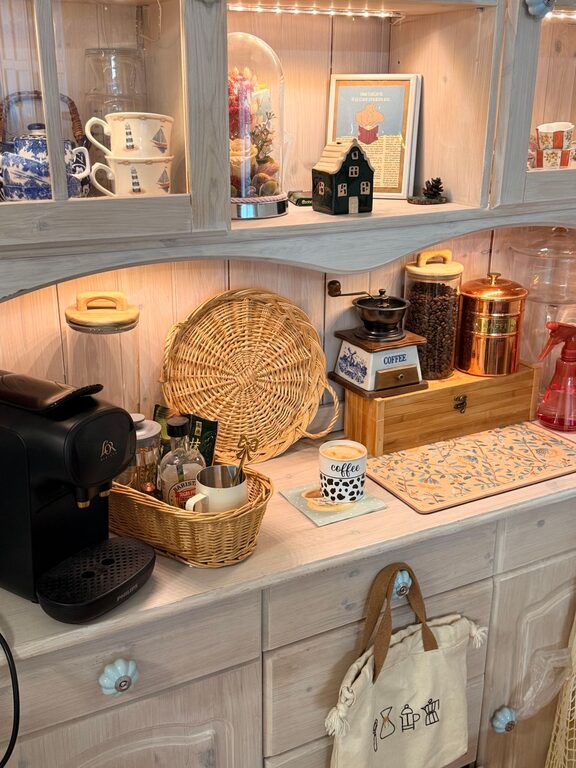
A coffee station can turn a small corner of your kitchen, dining room, or home office into a convenient and welcoming part of your daily routine. It does not need to be expensive or elaborate. With a little planning, you can create a space that keeps your coffee supplies organized and makes brewing your favorite drink easier.
Whether you prefer a simple drip coffee maker, a French press, or an espresso machine, the key is to build a station around the way you already make coffee. Here is how to create a functional coffee station at home.
Choose the Right Location
Start by choosing a location that is easy to access and close to the supplies you use most often. A kitchen counter is the most common choice, but other areas can work just as well.
Good locations include:
– A section of kitchen counter
– A small bar cart
– A sideboard or buffet
– A shelf with enough depth for your equipment
– A corner of a home office
– A cabinet with a nearby electrical outlet
Before setting up your station, measure the available space. Make sure there is enough room for your coffee maker, mugs, storage containers, and preparation area. You should also leave space around appliances for ventilation and safe use.
If your coffee maker needs to be plugged in, place the station near an outlet. Avoid running cords across busy walkways or placing electrical appliances near a sink where they could get splashed.
Decide What You Actually Need
A coffee station works best when it includes the items you use regularly. Avoid filling the area with equipment and accessories that will only create clutter.
Essential Equipment
Your basic setup may include:
– Coffee maker or brewing device
– Coffee beans or ground coffee
– Mugs or cups
– Coffee scoop
– Kettle, if needed
– Filters, if your brewer uses them
– Spoon or stirrer
– Small waste container for used grounds or filters
The right brewing device depends on your preferences and routine. A drip coffee maker is useful for brewing several cups at once. A French press is simple and does not require paper filters. A pour-over brewer offers a hands-on process, while an espresso machine is a good choice for espresso-based drinks.
Optional Additions
You can add extra items based on your habits, such as:
– Milk or cream
– Sugar or other sweeteners
– Cinnamon or cocoa powder
– Milk frother
– Travel mugs
– Reusable filters
– Coffee scale
– Coffee grinder
– Small tray for serving
Start with the essentials, then add accessories only when you know they will improve your routine.
Create a Practical Layout
A well-organized coffee station should make each step easy to follow. Arrange items according to how you use them.
For example, place the coffee maker in the center. Keep coffee, filters, and a scoop on one side, and place mugs and sweeteners on the other. Store backup supplies below or nearby.
A simple layout might look like this:
- Coffee maker in the middle
- Coffee and filters within easy reach
- Mugs stored beside or beneath the brewer
- Kettle placed nearby if needed
- Sweeteners and stirrers grouped in one container
- Extra supplies stored in a drawer or cabinet
Use a tray beneath the main equipment to create a defined area. A tray also makes it easier to move the setup, protect the counter, and clean up small spills.
Add Smart Storage
Storage helps keep your coffee station neat and easy to maintain. Choose containers that protect coffee from moisture, heat, and light. Airtight containers are especially useful for coffee beans and ground coffee.
Consider these storage ideas:
– Use matching jars for coffee, sugar, and drink toppings.
– Keep filters in a small box or open holder.
– Store mugs on a shelf, mug tree, or hooks.
– Use a drawer organizer for scoops and stirrers.
– Place extra coffee supplies in a nearby cabinet.
– Use a tiered stand to make small items easier to see.
– Label containers if you keep several types of coffee.
If your station is small, make use of vertical space. Wall-mounted shelves, hooks, and narrow racks can hold supplies without taking up much counter space. Just make sure anything mounted to the wall is installed securely.
Select Mugs That Fit Your Routine
Mugs are both practical and decorative. Choose sizes and styles that match the drinks you usually make. If you enjoy large cups of drip coffee, select mugs with enough capacity. If you prefer espresso, smaller cups may be more suitable.
Keep your everyday mugs close to the coffee station. Special or rarely used mugs can be stored elsewhere to prevent the area from becoming crowded.
You can also use mugs to add color and personality. Choose a coordinated set for a clean appearance, or mix different shapes and patterns for a more relaxed look.
Make the Station Match Your Home
Your coffee station should feel like part of the room rather than a separate display. Match the colors, materials, and style to your existing decor.
For a simple, modern station, use:
– Neutral containers
– Clean lines
– Stainless steel or glass accessories
– Limited decoration
For a warm, traditional look, consider:
– Wooden trays
– Ceramic mugs
– Woven baskets
– Soft, natural colors
For a compact apartment or office, choose lightweight items that can be moved easily. A bar cart is particularly useful if you want the option to relocate your coffee station.
Decorative details can include a small plant, framed print, coffee-themed sign, or seasonal accent. Keep decorations away from hot surfaces and areas where they could interfere with brewing.
Keep Water and Coffee Fresh
Water quality can affect the flavor of coffee, so use fresh water whenever you brew. Empty and refill the coffee maker’s water reservoir regularly instead of allowing water to sit for long periods.
Store coffee in an airtight container and keep it away from direct sunlight, heat, and moisture. Buy an amount that you can use while it is still fresh. If you use whole beans, grind them shortly before brewing for a more flavorful cup.
Avoid storing coffee directly above a stove or beside an oven. Heat can affect its quality and may damage some storage containers.
Plan for Easy Cleaning
A coffee station is easier to enjoy when cleaning is quick and straightforward. Wipe the counter regularly and clean spills as soon as they happen. Empty used grounds and filters after brewing to prevent odors.
Depending on your equipment, you may also need to:
– Wash removable parts
– Rinse the water reservoir
– Clean the carafe
– Wipe the warming plate
– Descale the machine according to the manufacturer’s instructions
– Clean the grinder and remove old grounds
Keep a small cloth or towel nearby for quick wipe-downs. Store cleaning supplies in a nearby cabinet so they are easy to reach without adding visual clutter.
Adjust the Station Over Time
Your first setup does not need to be perfect. Use it for a few days and notice what feels inconvenient. You may discover that mugs need to be closer, sweeteners need a different container, or extra supplies are taking up too much space.
Make small changes based on your routine. Remove items you rarely use and add only those that make brewing easier. A successful coffee station is not the one with the most accessories; it is the one that helps you prepare coffee comfortably and consistently.
With a suitable location, thoughtful storage, and a few personal touches, you can create a coffee station that is both useful and inviting. Even a small corner can become a pleasant part of your home and a simple way to make your daily coffee routine more enjoyable.