
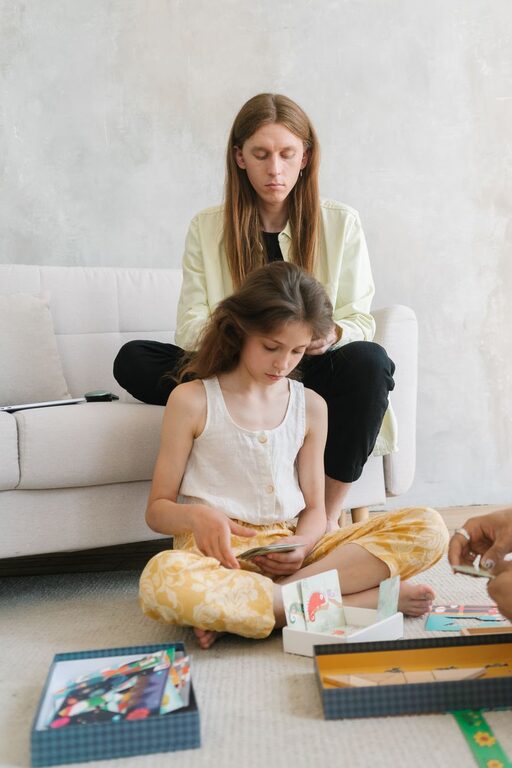
Family game night is a simple way to spend quality time together without planning an expensive outing. With a few games, easy snacks, and a relaxed attitude, you can create an evening that family members of all ages will enjoy.
The best game nights are not about winning every round. They are about laughing, working together, learning something new, and making memories at home. Whether your family enjoys classic board games, active challenges, or creative contests, there are many ways to make the evening special.
Start With a Simple Plan
A little preparation can make game night run smoothly. Choose a day when most family members are available, and decide how long you want the evening to last. One to two hours is often enough, especially for younger children.
Before everyone gathers, prepare:
– Two to four games with different levels of difficulty
– A comfortable place to sit and play
– Drinks and simple snacks
– Paper, pencils, or other supplies
– A way to keep score, if needed
– Small prizes or certificates, if your family enjoys friendly competition
Try to choose games that fit the ages and interests of the people attending. If younger children are involved, include games with simple rules and short rounds. Older children and adults may enjoy strategy, trivia, or word games.
Most importantly, avoid planning too much. Leave room for conversation, breaks, and spontaneous fun.
Choose a Game Night Theme
A theme can make an ordinary evening feel like a special event. It does not need to be complicated or expensive. Use music, decorations, food, or costumes to match the idea.
Around-the-World Night
Choose games, snacks, or music inspired by different places. You might play a geography trivia game, try a few international card games, or prepare small snacks from several countries.
Game Show Night
Set up several short challenges and divide the family into teams. Include trivia, guessing games, word puzzles, and quick physical challenges. Use a bell, timer, or simple score sheet to create a game show atmosphere.
Pajama Game Night
Let everyone wear pajamas, make blankets available, and serve breakfast foods such as pancakes, fruit, or toast. This relaxed theme works especially well for a weekend evening.
Retro Game Night
Bring out classic board games, puzzles, or card games that parents and grandparents enjoyed when they were young. Invite older family members to explain the rules and share memories.
Mystery Night
Create a simple mystery using clues hidden around the house. Players can work together to solve the story, identify a missing object, or discover a secret message. Keep the mystery light and suitable for all ages.
Try Classic Board and Card Games
Classic games are popular because they are easy to find and often simple to learn. They also encourage skills such as memory, planning, counting, and communication.
Consider including:
– Board games with short playing times
– Matching or memory games
– Word and spelling games
– Card games for two or more players
– Cooperative games where everyone works toward one goal
– Building games that use blocks or tiles
– Dice games with simple scoring
If your family has different age groups, choose games that allow players to help one another. Older children can read instructions or explain turns, while younger children can make choices and take part in the action.
You can also create house rules to make a favorite game more accessible. For example, allow younger players to start with extra pieces, offer a hint during trivia, or use teams that combine different ages.
Add Creative Homemade Games
You do not need a large game collection to have a great evening. Many entertaining games can be made with items you already have at home.
Charades
Write simple actions, animals, jobs, or movie ideas on slips of paper. Players take turns acting out a word without speaking while the rest of the group guesses.
Drawing Challenge
Give everyone paper and a pencil. Choose a topic, such as “a funny animal” or “a dream house,” and set a short time limit. At the end, display the drawings and let everyone vote for fun categories such as most surprising or silliest.
Indoor Scavenger Hunt
Make a list of household objects or clues. Players can search individually or in teams. To keep the game organized, set boundaries and remind everyone to walk rather than run.
Guess the Sound
Make sounds using safe household objects while players close their eyes. They might hear a zipper, a spoon tapping a cup, or paper being folded. Players then try to identify each sound.
Story Building
One person begins a story with a sentence. Each player adds another sentence until the family has created a funny adventure. Add a few required words or characters to make the story more challenging.
Include Active Games
Not every game has to take place around a table. Active games help children use their energy and can keep everyone engaged between quieter activities.
Try:
– Balloon keep-up, where players prevent a balloon from touching the floor
– Indoor bowling with plastic bottles and a soft ball
– A sock toss into a laundry basket
– Freeze dance with favorite music
– A simple obstacle course made from pillows and safe household items
– Simon Says with creative movements
– A timed cup-stacking challenge
Choose activities that match the available space. Move breakable objects out of the way, and make sure the floor is clear before starting.
Plan Snacks Everyone Can Enjoy
Snacks add to the festive feeling without requiring a full meal. Offer a mix of sweet and savory choices, and choose foods that are easy to eat between turns.
Good options include:
– Popcorn
– Fruit slices
– Vegetable sticks with dip
– Crackers and cheese
– Mini sandwiches
– Pretzels
– Homemade trail mix
– Cookies or brownies
– Lemonade, water, or hot chocolate
Set snacks on a separate table or counter when possible. This helps protect game pieces from spills and gives players more room. Use small bowls or individual cups to make serving simple.
You can also turn snack preparation into part of the evening. Let family members decorate cookies, create fruit skewers, or design their own snack plates.
Make Teamwork the Focus
Friendly competition can be exciting, but not everyone enjoys being judged by a final score. Include cooperative games and team activities so that the evening feels welcoming.
When forming teams, mix ages and abilities. Avoid letting one person choose all the teams, since some family members may feel left out. Rotate team members during the evening so everyone gets to work with different people.
Praise good sportsmanship, creative ideas, and helpful behavior. A player who explains the rules kindly or encourages a teammate deserves recognition too.
Small awards can add humor without making the results too serious. Give certificates for categories such as best team spirit, funniest answer, most creative drawing, or kindest helper.
Keep the Evening Comfortable
Family members have different attention spans, so plan a few breaks. Younger children may need time to move around, while adults may enjoy a chance to chat.
Keep instructions short and demonstrate the first round if needed. If a game becomes frustrating or takes too long, switch to another activity. The goal is to enjoy time together, not to finish every game in the box.
It can also help to create a no-phone period during the main activities. Place phones in another room or agree to use them only for timers, music, or taking pictures.
End With a Family Favorite
Finish the evening with a game everyone knows or enjoys. This might be a quick card game, a final round of charades, or a family quiz based on shared memories.
Before cleaning up, ask each person to name their favorite part of the night. You may discover that the most popular activity was not the biggest game, but a funny moment, a homemade challenge, or a snack someone prepared.
With a little creativity, family game night can become a regular tradition. Keep the plans simple, welcome everyone’s ideas, and focus on having fun together. Over time, these relaxed evenings can create memories that last long after the games are packed away.