
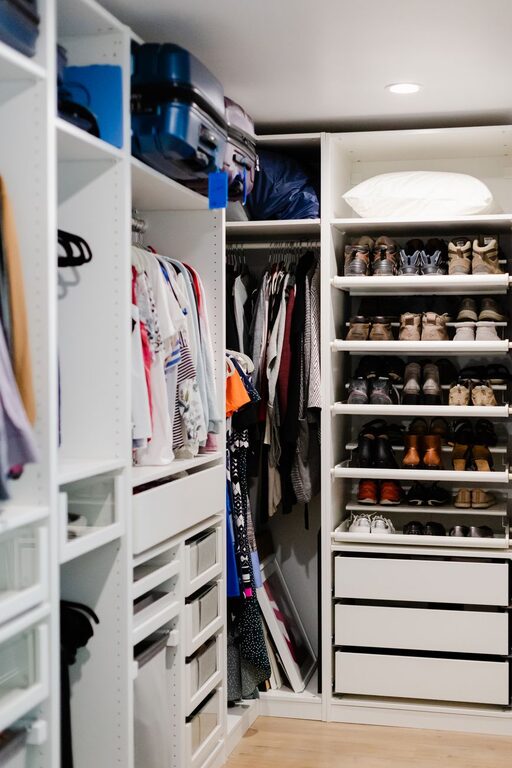
A tidy closet can make mornings easier, protect your clothing, and help you make better use of the space you already have. The key is not to organize everything once and forget about it. A closet stays organized when it is simple to use and supported by a few practical habits.
Whether you have a spacious walk-in closet or a small reach-in space, these steps can help you create an arrangement that works for your routine.
Start With a Complete Closet Reset
Before buying storage containers or rearranging shelves, remove everything from the closet. Working with an empty space makes it easier to see what you own and decide how the area should function.
Place clothing and accessories in groups on the bed, floor, or another clean surface. Keep similar items together, such as:
– Shirts and blouses
– Pants and skirts
– Dresses and suits
– Sweaters and jackets
– Shoes
– Bags and accessories
– Seasonal clothing
A complete reset may take longer than organizing one section at a time, but it gives you a clearer picture of your belongings. It also prevents you from creating new piles in a closet that is already too full.
Sort Items With Simple Questions
As you review each item, ask a few practical questions:
– Do I wear this regularly?
– Does it fit comfortably?
– Is it in good condition?
– Does it suit my current lifestyle?
– Would I choose this item again today?
Create separate piles for items to keep, donate, repair, recycle, or decide on later. Try to avoid keeping something simply because it was expensive or because you might wear it someday. If an item has not been used in a long time and does not serve a clear purpose, it may be taking up valuable space.
For items in the “decide later” group, place them in a labeled box with a review date. If you do not use them by that date, you may feel more comfortable letting them go.
Organize by How You Get Dressed
There is no single correct way to arrange a closet. The best system is the one that matches how you choose outfits.
You can organize clothing by:
– Type, such as shirts, pants, and jackets
– Color, from light to dark
– Season
– Workwear and casual clothing
– Frequency of use
Many people find it helpful to combine these methods. For example, hang all tops together, then arrange them by color. Keep everyday clothing at eye level and place special-occasion pieces in a less convenient area.
If you dress for different activities, create small sections for work, weekends, exercise, and formal events. This can reduce searching and make it easier to put outfits together.
Use the Right Hangers
Matching hangers can make a closet look calmer and help you use the hanging rod more efficiently. Slim hangers are especially useful in small closets because they take up less horizontal space than thick plastic or wooden hangers.
Choose hangers that suit the clothing:
– Use sturdy hangers for coats and heavy jackets.
– Use shaped hangers for delicate tops.
– Use clips for skirts and trousers.
– Use padded hangers for garments that may slip.
– Use nonslip hangers for wide-neck tops.
Avoid cramming too many items onto the rod. Clothing needs enough room to remain visible and easy to remove. If you have to push items aside to reach one shirt, the closet is probably too full.
Make Shelves Work Harder
Shelves often become cluttered because clothing is stacked too high or stored without clear categories. Keep piles low enough that items can be removed without disturbing everything around them.
Fold soft clothing, such as T-shirts, pajamas, and workout wear, and place it in drawers or baskets when possible. For shelves, try folding items vertically instead of stacking them in tall piles. This lets you see more of what you own and makes it easier to return each item to its place.
Use shelf dividers to separate categories and prevent stacks from leaning. Baskets can hold smaller items, but label them so they do not become hidden storage for miscellaneous belongings.
Store Shoes and Accessories Clearly
Shoes and accessories can quickly make a closet feel untidy. Choose storage based on how often you use each item.
Keep everyday shoes where they are easy to reach. Less frequently used footwear can go on a higher shelf or in a labeled container. If you use shoe boxes, consider adding a simple label or photo so you can identify the contents without opening each box.
For accessories, try:
– Small bins for scarves and belts
– Hooks for bags and hats
– Drawer dividers for jewelry
– A hanging organizer for smaller accessories
– One tray for items used every day
Avoid filling every hook and container to capacity. Leave a little open space so new items do not immediately create clutter.
Use Vertical Space
Closets often have unused space above the hanging rod or near the floor. Make the most of these areas with practical additions, such as:
– A second hanging rod
– Stackable shelves
– Over-the-door organizers
– Hooks
– Clear bins
– Under-shelf baskets
Store rarely used or seasonal items in higher areas, while keeping daily essentials within easy reach. If you use a step stool, choose a safe, stable option and keep it nearby without blocking the closet entrance.
Do not overload shelves or rods. Check the weight limits of any storage products before placing heavy items on them.
Rotate Seasonal Clothing
Seasonal rotation can create more space and make your current wardrobe easier to use. At the end of each season, wash or clean clothing before storing it. Make sure everything is completely dry to help prevent unpleasant odors.
Store off-season items in breathable bags, bins, or containers. Label each container with its contents and season. Avoid placing delicate fabrics in damp areas or tightly packed containers for long periods.
Seasonal changes are also a good time to review your clothing. If you did not wear an item during the season, consider whether it belongs in your regular wardrobe.
Leave Room for New Items
A closet works better when it has some open space. Instead of filling every shelf and hanger, aim to leave a small amount of room in each section. This makes it easier to put clothing away and prevents wrinkling.
A useful habit is the one-in, one-out rule. When you bring home a new item, remove one similar item that you no longer use. This keeps the total number of belongings more consistent over time.
You can also create a temporary donation bag in or near the closet. When it becomes full, take it to a local donation center or arrange another suitable way to pass the items along.
Build Easy Maintenance Habits
Small habits are more effective than occasional major cleanups. Try these simple routines:
– Return clothing to its assigned place after laundry.
– Hang or fold items as soon as you change.
– Put shoes away instead of leaving them on the floor.
– Empty pockets before placing garments in the hamper.
– Spend five minutes each week restoring order.
– Review one small section every few months.
If something repeatedly ends up in a chair, on the floor, or outside the closet, your system may need adjusting. Move its storage location closer to where you naturally use it. An organization system should support your habits, not make everyday tasks harder.
Keep the System Flexible
Your closet should change as your schedule, preferences, and storage needs change. Reassess the layout when you begin a new job, move to a different climate, or notice that certain categories no longer work well.
The goal is not a perfectly styled closet. It is a space where you can quickly find what you need, return items without effort, and avoid unnecessary clutter. By reducing excess, using clear categories, and maintaining a few simple routines, you can create a tidy closet that stays organized for the long term.