
Why Pantry Meal Planning Works
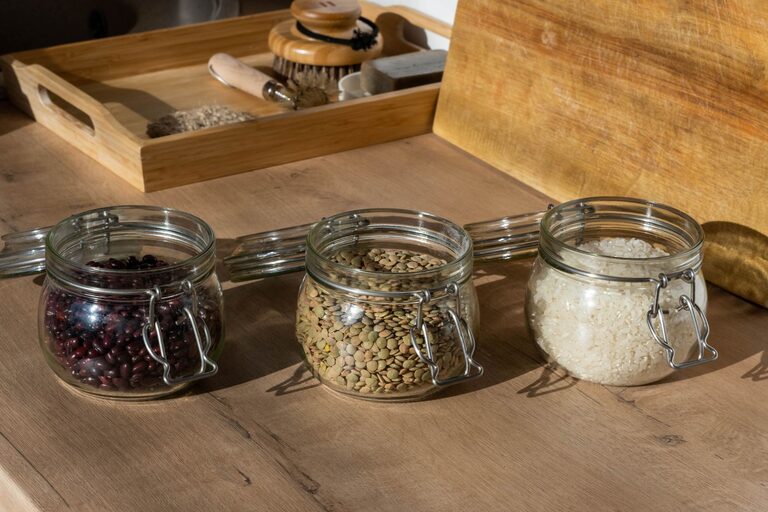
Planning meals from pantry staples makes cooking easier, especially when you have limited time or do not want to make frequent trips to the grocery store. Common ingredients such as rice, pasta, beans, canned tomatoes, oats, flour, and spices can become the foundation for many different meals.
The key is not to plan around one exact recipe. Instead, build flexible meal ideas that use ingredients in more than one way. This approach helps you work with what you already have, use foods before they expire, and create variety without buying a long list of specialty ingredients.
Start with a Pantry Inventory
Before planning meals, take a quick inventory of your kitchen. Check the pantry, refrigerator, and freezer. Group similar foods together so you can see what is available.
Create Simple Categories
Organize your ingredients into these basic groups:
– Grains: Rice, pasta, oats, couscous, quinoa, flour, and tortillas
– Proteins: Canned beans, lentils, chickpeas, peanut butter, nuts, seeds, and canned fish
– Canned and jarred foods: Tomatoes, corn, peas, broth, pasta sauce, coconut milk, and salsa
– Flavor builders: Onions, garlic, spices, herbs, soy sauce, vinegar, mustard, and hot sauce
– Cooking basics: Oil, salt, pepper, baking powder, and sugar
– Freezer items: Frozen vegetables, fruit, bread, and cooked leftovers
Write down foods that need to be used soon. For example, an open jar of pasta sauce, a bag of spinach, or vegetables in the refrigerator should influence your meal choices.
You do not need a complicated spreadsheet. A short list on your phone or a note on the refrigerator is enough.
Use a Simple Meal Formula
A reliable meal formula can turn a few basic ingredients into a complete dish. Start with a base, add a main ingredient, include vegetables when available, and finish with a flavorful sauce or topping.
The Four-Part Formula
- **Choose a base:** Rice, pasta, potatoes, bread, oats, or tortillas
- **Add a protein:** Beans, lentils, eggs, tofu, nuts, seeds, or canned fish
- **Include vegetables:** Fresh, frozen, canned, or leftover vegetables
- **Add flavor:** Spices, sauces, herbs, cheese, citrus, or vinegar
For example, rice, black beans, frozen corn, and salsa can become a bowl. The same ingredients can also fill tortillas for wraps or serve as a side dish with a fried egg.
This formula keeps meals balanced in texture and flavor while allowing you to substitute ingredients easily.
Plan by Meal Type Instead of Exact Recipes
Choosing a meal type can be more flexible than selecting a specific recipe for every day. Make a short list of categories for the week, then fill them with ingredients from your pantry.
Useful meal types include:
– One-pot meals
– Soups and stews
– Pasta dishes
– Grain bowls
– Wraps and sandwiches
– Sheet-pan meals
– Breakfast-for-dinner meals
– Simple baked dishes
For example, you might plan one soup, one pasta dish, one rice bowl, one baked meal, and one leftover night. This gives you a framework without requiring a strict schedule.
Build a Flavor Plan
The same basic ingredients can taste completely different when you change the seasoning. A flavor plan helps prevent pantry meals from becoming repetitive.
Try Different Flavor Directions
– Italian-inspired: Tomatoes, garlic, oregano, basil, beans, and pasta
– Southwestern-inspired: Beans, corn, tomatoes, chili powder, cumin, and rice
– Curry-inspired: Lentils, chickpeas, curry powder, coconut milk, and rice
– Mediterranean-inspired: Chickpeas, olives, lemon, herbs, tomatoes, and couscous
– Asian-inspired: Rice, vegetables, soy sauce, ginger, garlic, and sesame seeds
These are broad combinations, not strict rules. Use the ingredients and seasonings you enjoy, and adjust them based on what is available.
A small collection of sauces can also add variety. Salsa, pesto, peanut sauce, tomato sauce, and a simple mixture of oil and vinegar can change the character of a meal in minutes.
Plan for Ingredient Overlap
Ingredient overlap means using the same food in several meals. This saves storage space, reduces waste, and makes shopping more efficient.
For example, a can of chickpeas might be used in:
– A grain bowl
– A blended spread
– A vegetable soup
– A salad
– A roasted snack
A large batch of cooked rice can serve as a side dish one night, a filling for wraps the next day, and the base for fried rice later in the week.
When planning, choose two or three ingredients to feature repeatedly. This is especially useful for foods that come in larger packages, such as rice, pasta, canned beans, or frozen vegetables.
Make a Short Shopping List
Pantry planning does not mean you must avoid grocery shopping. Instead, it helps you buy only what will complete your meals.
After reviewing your inventory, look for small gaps. You may need:
– Fresh vegetables or fruit
– Eggs, cheese, or another protein
– Milk or a milk alternative
– Fresh herbs or lemons
– Bread or tortillas
– One or two sauces
Keep the list focused. If your pantry already contains rice, beans, tomatoes, and spices, you may only need vegetables and a fresh topping to create several meals.
Prepare Helpful Components Ahead of Time
A little preparation can make weekday cooking faster. You do not need to cook every meal in advance. Instead, prepare ingredients that can be used in several dishes.
Helpful options include:
– Cooking a pot of rice, grains, or pasta
– Making a large batch of beans or lentils
– Chopping onions and sturdy vegetables
– Washing salad greens
– Mixing a simple sauce
– Portioning nuts, seeds, or dried fruit
– Freezing extra bread or cooked grains
Store prepared foods in clearly labeled containers and use them within a reasonable amount of time. Keep older ingredients toward the front of the refrigerator or pantry so they are easier to notice.
Include a Flexible Leftover Night
A leftover night keeps your plan practical. Set aside one meal each week for combining small portions of food into something new.
Leftover rice can become a skillet meal. Extra vegetables can go into soup, pasta, or an omelet. Beans and grains can be mixed with salsa and cheese for a quick filling.
You can also create a “mix and match” meal with several small portions. Serve leftovers with fresh toppings, such as chopped herbs, pickled vegetables, shredded cheese, toasted seeds, or a squeeze of lemon.
Keep a Backup Meal List
Even the best plan may change. Keep a list of quick meals you can make when you are tired or short on time.
Good backup ideas include:
– Pasta with canned tomatoes and beans
– Rice with frozen vegetables and an egg
– Lentil soup with toast
– Oatmeal with fruit, nuts, and seeds
– Bean and cheese quesadillas
– Tuna or chickpea salad sandwiches
– Baked potatoes with simple toppings
Having these options ready prevents last-minute decisions and helps you make use of pantry foods before buying more.
Review and Improve Your Plan
At the end of the week, note which meals worked well and which ingredients were left unused. This quick review can improve future planning.
Ask yourself:
– Which pantry ingredients did I use most?
– Which meals were easy to prepare?
– Did I buy anything that went unused?
– Which flavors would I like to repeat?
– What should I restock?
Over time, you will develop a personal list of dependable meals and favorite pantry combinations.
Planning meals from pantry staples is less about following strict recipes and more about making smart connections between ingredients. With a quick inventory, a flexible meal formula, and a few flavor ideas, you can create satisfying meals while saving time and reducing waste.